Design systems were built to solve a human problem: the exhaustion of manual scaling. They were the ultimate blueprints. Today, however, these systems have found a new master—Artificial Intelligence. AI is the perfect worker for these systems; it doesn’t get bored of alignment, it never complains about specs, and it can move identical boxes around for eternity.
But here is the irony: by feeding AI these perfect systems, we have accidentally rendered the traditional designer obsolete in the process.
The Illusion of Necessity
We’ve spent the last decade convinced that every product, no matter how small, requires a massive, complex design system. But we have to ask: who truly benefits from this narrative?
The push for universal design systems is often driven by the companies ( like Figma, Adobe, Canva ) selling the tools to build them. For a software provider, a design system isn’t just a productivity hack; it’s a reason to sell more “collaboration seats.” We have been sold a vision of “consistency” that often serves the tool-maker more than the end-user. The result? A digital landscape where everything looks like a slightly different version of the same generic template.
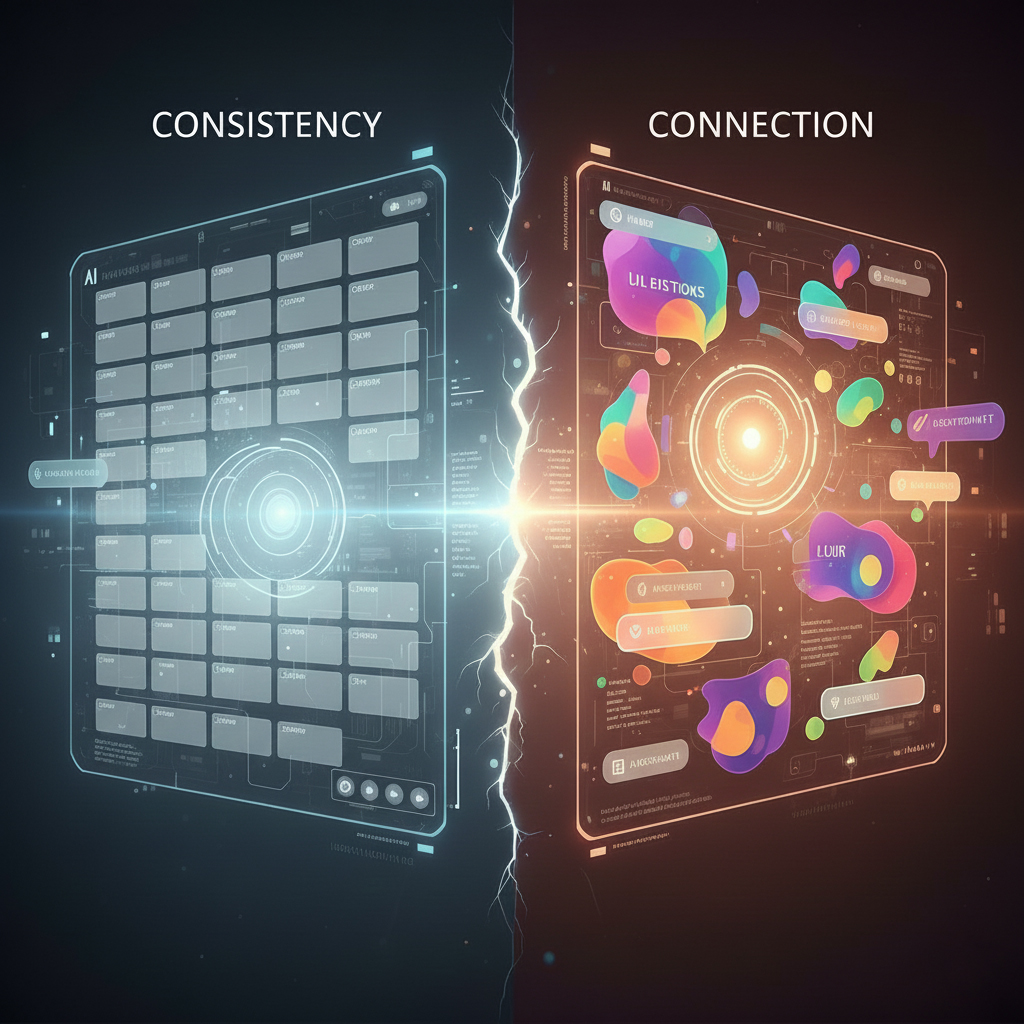
Consistency vs. Connection
While design systems are vital for massive global enterprises, the vast majority of products would thrive with nothing more than a solid style guide.
We are currently sacrificing originality at the altar of consistency. If you look at most modern apps, they have become “consistently boring.” We have better, faster tools than ever before, yet digital design feels increasingly soulless. We are managing systems instead of creating experiences.
The Shift from Exploration to Intent
For years, the “Dashboard” was the gold standard of UI design. It was the ultimate way to show off a design system’s variables, tokens, and components. But we rarely stopped to ask: Does the user actually want a dashboard?
Most dashboards represent a high “cognitive load.” They force the user to do the work of hunting for insights among a wall of charts. We are now moving away from this exploration-driven UX toward intent-driven UX.
🔴 The Old Way: Give the user 50 charts and hope they find the answer.
🔴 The New Way (AI-Driven): The user asks a question, and the interface generates only the specific data needed to answer it.
In this new world, the “presentation layer” is fluid. When the interface is generated in real-time to meet a user’s specific intent, the need for a rigid, pre-built library of thousands of components begins to vanish.
The Efficiency Trap
AI-generated interfaces aren’t “killing” traditional design because they are superior in beauty; they are winning because they make the boring parts of design effortless. And in the world of digital products, when something becomes effortless, its market value plummets.
If a machine can build a perfectly consistent, functional, and boring dashboard in three seconds, why would a company hire a team to maintain a design system for six months?
The Return of the Craft
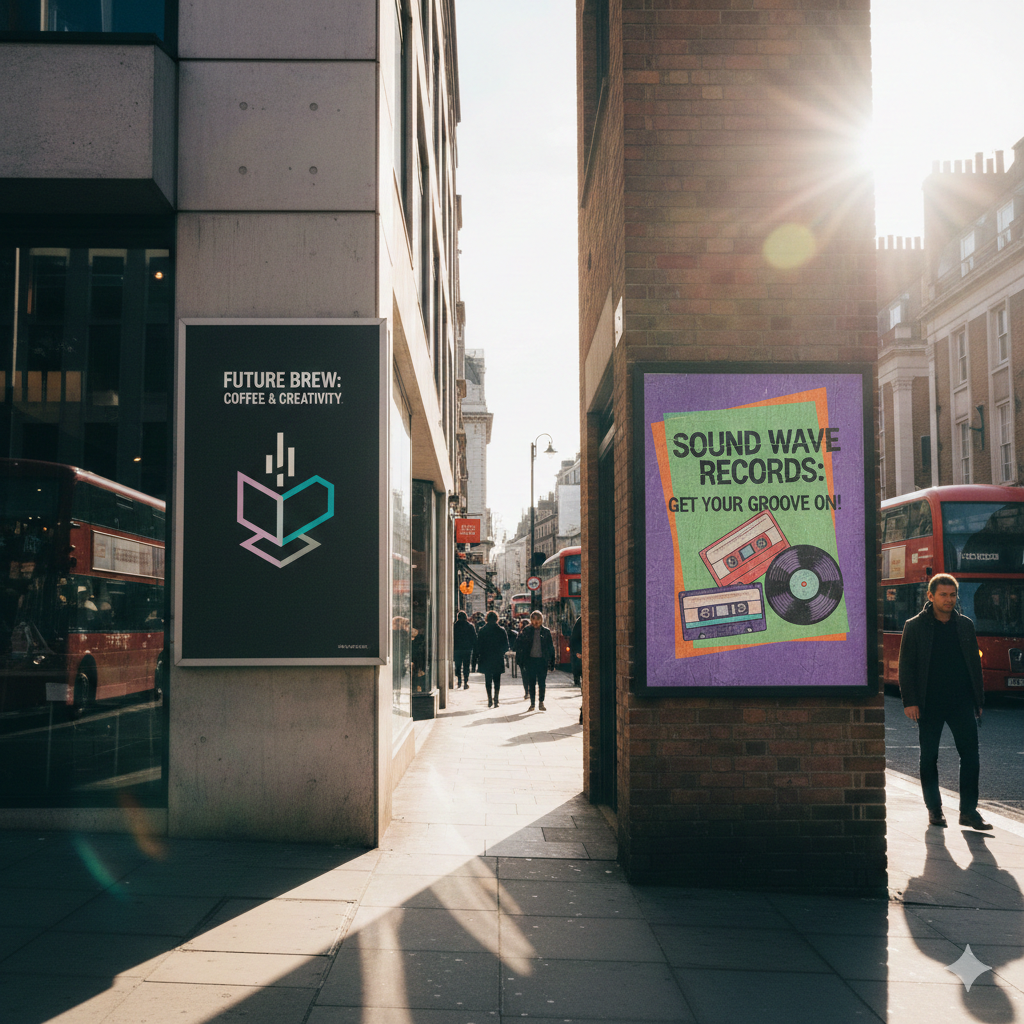
This isn’t a “death sentence” for designers—it’s a liberation. As the systemic, “boring” parts of UI are handed over to AI, the value of the human designer shifts back to where it belongs: Just like we make posters in photoshop, we have to do manipulations , effects some do it very well some don`t get much realistic results But now with prompts they all can archieve same results. It saves times for both as we have gather over 100+ prompts for social media posts, or even you can use in product photography or in poster designs see what vinlyee prompts library has for you.
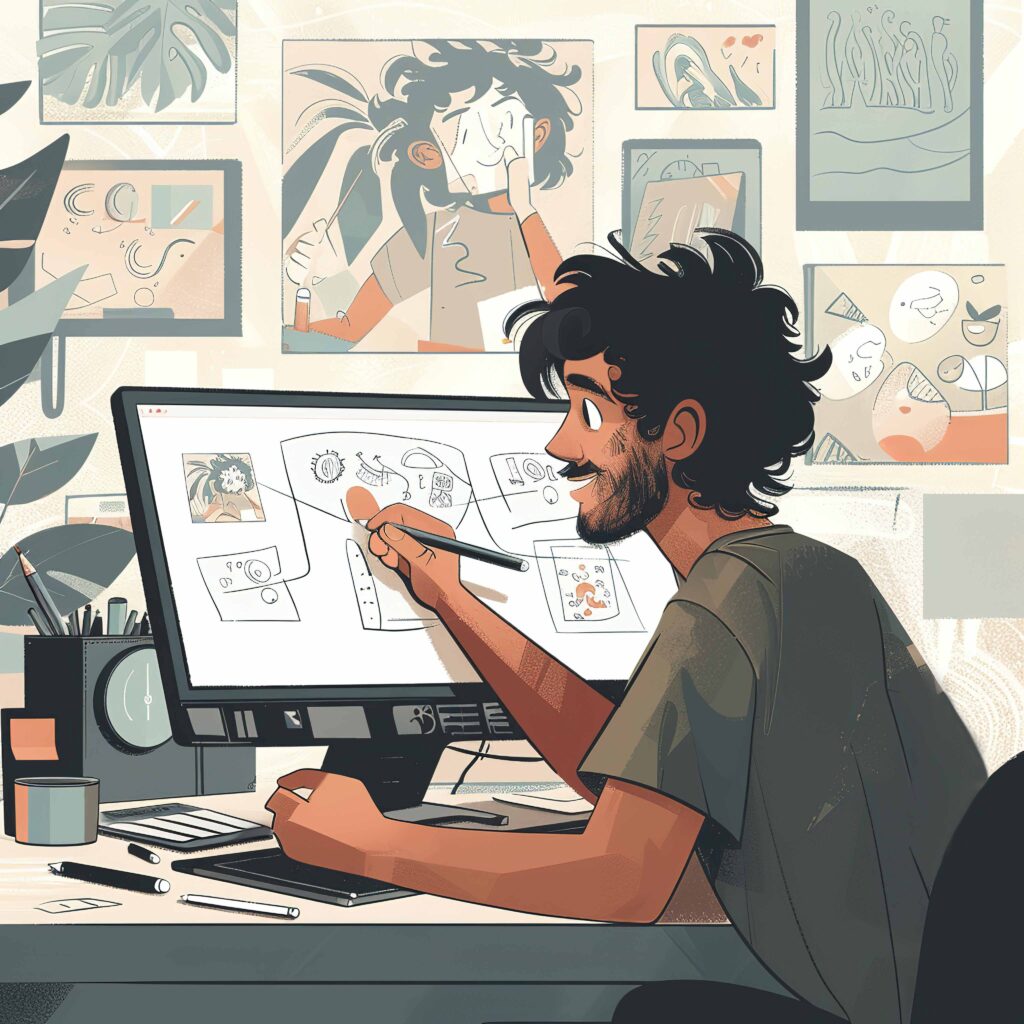
Originality: Breaking the patterns that design systems have made “standard.”
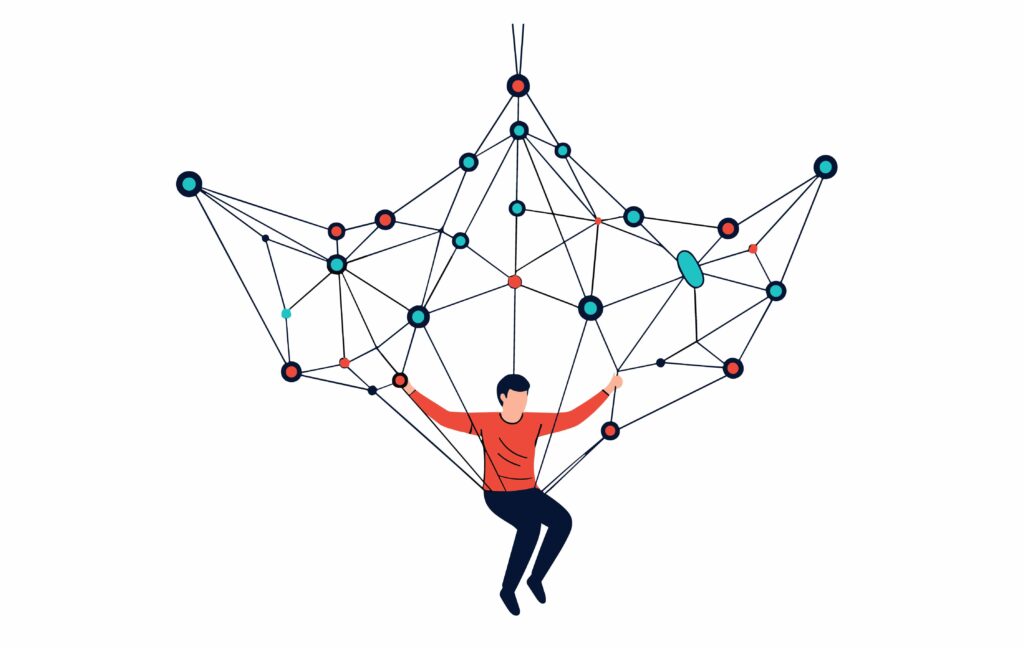
Human Connection: Designing for beauty, delight, and “moments” rather than just metrics.
Expression and Emotion: Creating products that people actually love, not just “use.”
The next era of the internet won’t be defined by how well we can organize boxes. It will be defined by how well we can move people. The future isn’t a dashboard; it’s an experience.